How a Pie Shop Uses Local Ingredients for Better Flavor
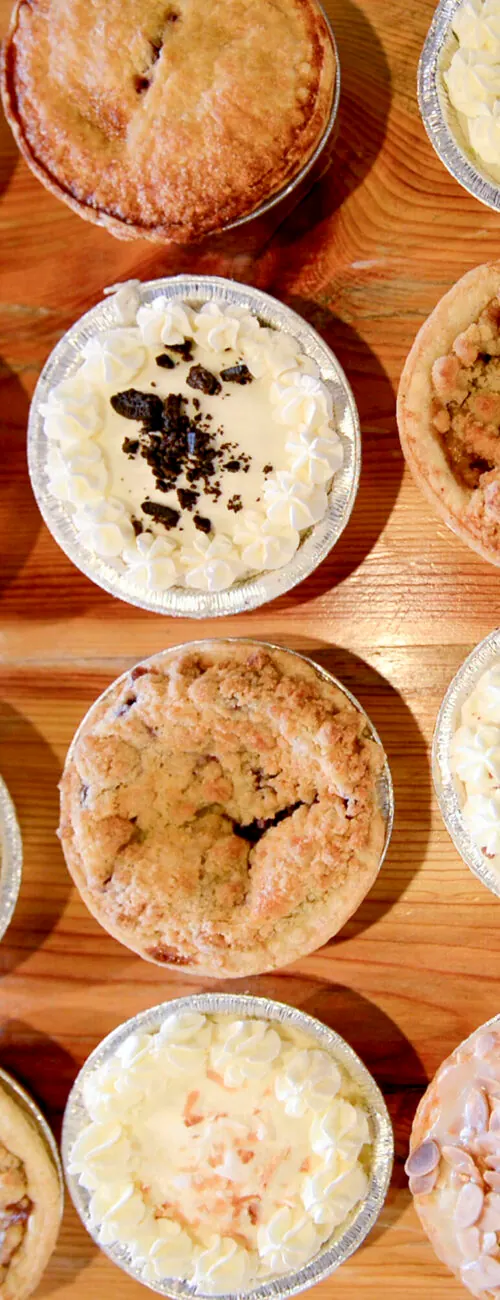

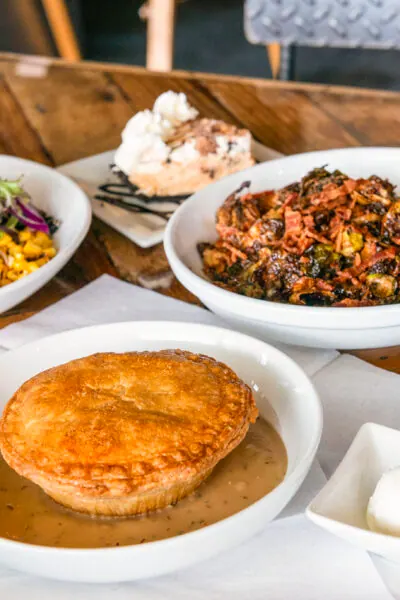
A good pie does not hide behind sugar. It does not depend on cinnamon to rescue tired apples or extra salt to wake up flat butter. In a well-run pie shop, flavor starts much earlier, with the produce, dairy, eggs, and grains that come through the back door. The closer those ingredients are to their natural peak, the less the baker has to compensate.
That idea sounds simple, but in practice it changes nearly every decision a pie business makes. Sourcing locally affects menu planning, prep schedules, pricing, consistency, and even the way staff talk to customers at the counter. It also changes the pie itself in ways people notice immediately, even if they cannot explain why the bite tastes livelier, cleaner, or more complete.
When bakers talk about local ingredients, the conversation often drifts into sentiment. Community support matters, and so does keeping food dollars in the region, but flavor is a more demanding standard. Flavor can be tested. Customers either come back for another slice or they do not. The real question is not whether local sounds nice. It is whether local ingredients make better pie. In many cases, they do, provided the pie shop knows how to work with what that choice requires.
Flavor begins with ripeness, not distance alone
The strongest argument for local sourcing is not mileage by itself. It is ripeness.
Fruit picked for a long distribution chain is often harvested before it reaches full maturity. That is not a criticism of large-scale agriculture so much as a logistical fact. If peaches need to travel several states and sit in storage before they land in a bakery, they must be firm enough to survive handling. The same goes for strawberries, blackberries, and even some varieties of apples. A fruit that is picked early may soften later, but softness is not the same thing as full flavor development.
A pie shop that buys from nearby orchards and farms can work with fruit harvested closer to its peak. That shortens the time between field and oven. In practical terms, that often means berries with a stronger aroma, peaches with a deeper floral note, rhubarb with brighter acidity, and apples with more defined character from variety to variety.
The difference is especially obvious in pies with simple formulas. A strawberry pie made with mediocre berries quickly turns into a sugar delivery system. Make the same pie with ripe local berries, and suddenly the filling tastes like fruit first. You notice freshness, perfume, and a cleaner finish. The baker may even be able to reduce the sugar slightly because the fruit is doing more of the work.
That restraint matters. Excess sugar can mask weak fruit, but it also blunts the pie’s shape. Everything becomes generically sweet. When ingredients arrive with natural intensity, the pie shop can build fillings with more precision. Tart cherries can stay tart enough to be interesting. Blueberries can keep their woodsy depth. Apples can taste like apples rather than cinnamon paste.
Apples tell the whole story
If there is one category that reveals the advantage of local sourcing, it is apple pie. Many shops settle for broad labels such as “baking apples,” but experienced bakers know that varieties behave very differently. Some soften quickly and collapse into sauce. Some hold their shape too stubbornly. Some are honeyed and fragrant, some sharp and green, some almost wine-like.
A pie shop that works with nearby orchards often gains access to varieties that rarely make it into conventional wholesale channels. That can transform the final product. Instead of using one all-purpose apple year-round, the shop can blend two or three varieties for structure, acidity, and aroma. One apple may bring firmness, another sweetness, another that unmistakable snap of acid that keeps a pie from feeling heavy.
This is where local relationships matter more than labels. A farmer might call to say a certain block of apples came in smaller this year but tastes exceptional. For a supermarket produce buyer, that may be a problem. For a pie baker, it can be an opportunity. Small fruit can still peel and slice beautifully, and if the flavor is concentrated, the pie improves.
There is also the matter of storage. Apples store well compared with berries or stone fruit, but even good storage cannot freeze flavor in place. Freshly harvested apples often carry more aromatic lift and a firmer, juicier texture. In a pie filling, that difference shows up as clarity. The apples taste distinct, not dull or mealy. The spices support rather than dominate.
A customer may not know the variety names, but they can tell when an apple pie tastes alive.
Butter, eggs, and the crust that customers remember
Fruit gets most of the attention, yet many regulars judge a pie shop by its crust. Local sourcing can matter here too, especially with butter, eggs, and flour.
Butter is one of the most consequential ingredients in pie dough. Its fat content, moisture level, and flavor all affect handling and final texture. Some local dairies produce butter with a fuller cultured note or a richer cream flavor than standard commodity butter. In a laminated pastry, those nuances can be subtle. In pie crust, where the formula is stripped down and the butter has nowhere to hide, they become obvious.
A flavorful butter gives the crust a toasted, almost nutty depth after baking. It also changes the aroma that hits the customer when a pie is cut warm. If a pie shop uses local dairy, the team may need to adjust technique because butters vary. Some soften faster on the bench. Some contain slightly different moisture levels. Dough hydration may need minor correction from batch to batch. Skilled bakers accept that trade-off because the baked result is more expressive.
Eggs play a smaller role in many pie doughs, but they matter in custard pies, washes, meringues, and enriched pastry components. Fresh local eggs often bring deeper yolk color, which can improve visual appeal in fillings like chess pie, quiche-style savory pies, or egg wash on decorative tops. Color is not the same as flavor, but in baking the two often travel together. Richer yolks can contribute a rounder taste and more luxurious mouthfeel.
Flour is the trickiest local ingredient because quality depends heavily on milling consistency, protein levels, and grain type. A pie shop cannot simply switch to any nearby flour and expect smooth production. But when the shop finds a good regional mill, it can build a crust with real character. Freshly milled or recently milled flour may carry a faint sweetness and grain aroma that commercial flour often loses in the pursuit of standardization. The baker must know how to handle it because absorption and gluten development can shift, but the payoff is a crust with more personality.
Why local dairy changes cream pies and custards
Fruit pies get the glory, but cream pies are where fresh dairy quietly proves its value. Banana cream, coconut cream, chocolate cream, buttermilk pie, and custard-based fillings all rely on milk or cream that tastes clean and full. Stale or bland dairy leaves nowhere to hide. More vanilla can only do so much.
A pie shop that buys from a nearby creamery often notices two things right away. First, the dairy tastes more present. Second, the structure of the filling can improve because fresher dairy behaves more predictably in cooking. Custards set more cleanly when the inputs https://travisepmy212.fotosdefrases.com/how-a-pie-shop-keeps-quality-at-the-center-of-every-bake are consistent and well handled. Whipped cream holds better when it starts with quality cream and is kept cold from the moment it enters the shop.
There is a sensory effect that customers may not articulate but absolutely detect. Fresh cream-based pies taste less sugary even when the sugar level is unchanged. The richness feels integrated rather than heavy. Buttermilk pie, for example, can go from one-note sweetness to something far more complex when the tang of the dairy is bright enough to balance the sugar and eggs.
Seasonality forces better decisions
The strongest pie shops do not merely buy local ingredients. They let those ingredients shape the menu.
That requires discipline. Customers get attached to favorites, and some expect strawberry rhubarb in November because they saw it once in May and now believe it should be permanent. A pie shop that commits to local sourcing has to decide whether it wants to educate the customer or chase every request with imported produce. The shops with the best flavor usually choose the first path.
Seasonality improves pie because it narrows the menu to what is actually worth baking. During peak summer, berries and stone fruit deserve the spotlight. In fall, apples and pears come forward. Winter invites nuts, storage crops, citrus where regionally appropriate, and dairy-based pies. Spring belongs to rhubarb and the first fragile fruits.
This creates anticipation. Limited windows make people pay attention. A peach pie in late July feels meaningful because it cannot be reproduced honestly in February. That scarcity is not a marketing gimmick. It is part of the flavor itself. Produce eaten in season usually requires less correction, less sweetening, and less culinary theater.
A well-run pie shop often plans its year almost like a series of short harvest chapters. The bakers know when sour cherries are likely to arrive, when the first local strawberries tend to be sweet enough, when apples begin shifting from fresh-picked brightness into storage character. That calendar becomes a flavor map.
Local ingredients do not guarantee better pie
This is where experience matters. Local can be better, but it is not automatically better.
A nearby farm can still deliver underripe peaches, inconsistent berries, muddy greens for savory pies, or butter that does not perform the way a formula expects. Small-scale suppliers may have less sorting capacity than large distributors. Rainy weeks can dilute fruit. Heat waves can spike sugar and drop acidity. One orchard’s apples may be outstanding, another’s merely fine.
A professional pie shop has to grade ingredients with clear eyes. Sentiment cannot carry a weak batch through the oven. Bakers who work locally need strong receiving standards, honest supplier conversations, and the confidence to say no when a product is not right.
Here are a few practical checks that make a difference at delivery:
- Smell the fruit before anything else. Aroma tells you more than surface color.
- Check for uniformity across the case, not just the top layer.
- Cut samples and taste for sugar, acidity, and texture before locking in a formula.
- Note water content changes, especially in berries and frozen local fruit.
- Adjust starch, sugar, and bake time to the batch, not to last week’s memory.
That list may sound basic, but it separates serious production from wishful thinking. Bakers who use local ingredients well are not romantic about them. They are attentive.
The hidden work behind a local pie program
Customers see the sign about local peaches. They do not see the spreadsheet, the calls at dawn, or the scramble when a storm wipes out half a berry delivery.
A pie shop that relies on local ingredients takes on more variability than a shop buying standardized products through one broadline supplier. There are benefits, but they come with labor. Menus may need to change quickly. Prep teams have to process ingredients at peak condition, sometimes in large volumes over a short window. Storage becomes more delicate because truly fresh produce can be both more flavorful and less forgiving.
One of the smartest moves a pie shop can make is to preserve local abundance when the season is generous. Fruit can be peeled, sliced, and frozen for off-season use. Jams and compotes can be prepared for certain pie applications. Apples can be held in proper cold storage if the shop has the setup, or purchased strategically from orchards that store well. Even then, the baker has to know which pies benefit from preserved fruit and which should disappear from the menu once the season closes.
There is also a cost reality. Local ingredients can be more expensive, especially when farms are small and labor costs are real. If a pie shop absorbs all of that cost without adjusting prices or portions, margins tighten fast. If it raises prices too aggressively, customers may resist. The best operators explain value through the product itself. The pie has to justify the price at first bite.
Taste is only part of the equation, but it drives the rest
When people talk about local sourcing, they often separate ethics from flavor as if one belongs to values and the other to technique. In practice, the two often reinforce each other.
A pie shop that buys from nearby farms gains more direct feedback about growing conditions, harvest timing, and varietal differences. That information helps bakers work more intelligently. If the strawberries are especially juicy this week, the filling can be tightened before a batch fails. If a crop came in sweeter than usual, the sugar can be trimmed. If apples are running softer because of weather stress, the bake can be adjusted to preserve texture.
That kind of communication is hard to replicate in a long chain. It creates a loop between field and kitchen. Bakers make better choices because they know more. Better choices lead to better pie.
There is another effect, less technical but still important. Staff tend to care more when ingredients arrive with a story attached to real people they know. If the team has visited the orchard, met the dairy owners, or spoken with the miller, quality feels concrete. Waste tends to drop when ingredients feel valuable. Handling improves. The care shows up in the pie.
When local works best, the recipe gets quieter
One of the clearest signs that a pie shop is using excellent local ingredients is that the recipes often become simpler over time.
That does not mean plain or boring. It means less interference. Less spice blend. Less thickener. Less sugar. Less need for decorative tricks that distract from weak flavor. The filling tastes more like itself, which is what pie is supposed to offer.
A local peach pie is a good example. With average peaches, a baker may lean on heavy cinnamon, extra lemon, and a stronger starch system just to create some kind of shape and intensity. With fragrant ripe peaches, the hand becomes lighter. Maybe only a little sugar, a touch of acid if needed, and enough starch to hold the slice. The reward is a pie that tastes unmistakably of peach rather than “dessert.”
The same principle applies to savory pies. Local leeks, mushrooms, onions, and herbs can bring enough flavor that the filling needs less salt and less cheese to feel complete. Fresh spinach or chard for hand pies has more integrity in the pan when it has not spent days in transit. Even potatoes in a savory pie taste more distinct when newly harvested.
Customers can taste place, even if they do not use that language
Restaurants often talk about a sense of place. Pie shops can achieve it just as well, though in a humbler register.
A pie made with regional apples, local butter, eggs from a nearby farm, and flour from a state mill carries the taste of a specific landscape and season. No single bite announces that in a dramatic way, yet the cumulative effect is real. The pie feels rooted. Customers may describe it as fresher, fuller, cleaner, or more memorable. What they are tasting is not just quality but specificity.
That specificity is increasingly rare. Many baked goods, even good ones, are built from ingredients selected for reliability across geography. There is nothing wrong with reliability. A business needs it. But a pie shop that balances consistency with local character offers something more distinctive. It creates pies that could only exist, at least in that exact form, where they are being baked.
For a small business, that matters. It gives the shop a voice. The best pie shops are not simply producing sugar and crust. They are interpreting what is available around them, week by week, season by season.
The trade-offs a smart pie shop accepts
Choosing local ingredients does not mean pretending there are no downsides. The strongest operations face them head-on.
A local-first pie shop may have narrower menus in winter. It may disappoint people who want every flavor all year. It may have to reprint menu boards, retrain front-of-house staff, and price a slice a little higher than a chain bakery would. Batch variation is real. A blueberry pie in early season may not taste exactly like one made at the height of harvest. That is not always a flaw. Sometimes it is honesty.
What matters is whether the shop can control the parts that should be controlled. Dough technique must be consistent. Baking must be disciplined. Fillings must be tested and adjusted. Suppliers must be chosen carefully. Once those foundations are in place, local ingredients become an advantage rather than a source of chaos.
The practical benefits often outweigh the strain:
- stronger flavor at peak harvest
- better menu identity
- closer supplier relationships
- more flexibility in recipe development
- a clearer story for customers who care about food quality
Those points are business benefits, but every one of them circles back to taste. That is why people return to a pie shop in the first place. Not for ideology. Not for a chalkboard note about farms. They come back because the pie tastes unmistakably better.
Better pie is usually the result of better judgment
The phrase “made with local ingredients” can sound like a shortcut to quality, but no ingredient claim can replace judgment. Great pie comes from decisions layered on top of each other. Which farm. Which variety. Which day to buy. Which batch to reject. How much sugar this week, not last week. How thick to slice the apples. Whether the butter is cold enough. Whether the crust needs five more minutes.
Local sourcing simply gives the baker a stronger starting point.
When that starting point is handled with skill, the results are hard to argue with. Fruit tastes more vivid. Custards feel richer and cleaner. Crust carries more aroma and depth. Seasonal pies become sharper and more memorable because they are anchored to ingredients at the right moment, not forced into year-round sameness.
That is how a pie shop uses local ingredients for better flavor. Not as a slogan, and not as nostalgia. It uses them as working tools, chosen with care, adjusted with experience, and baked into pies that taste like someone paid attention from the first delivery to the final slice.
3.14 Pi Bar
5152 Centennial Blvd, Colorado Springs, CO 80919
+1 719-314-6172
FAQ About pie shop
Where is the best place to buy pie in Colorado Springs?
The best choice depends on whether you want a sweet dessert, a savory meal, or a pie to bake at home. 3.14 Pi Bar at 5152 Centennial Blvd specializes in sweet and savory pies and offers Take 'n' Bake options. Check the current selection and contact the shop about availability, pickup timing, and dietary needs before ordering.
Who makes the best pot pies in Colorado Springs, CO?
Preferences vary by filling, crust, and portion size. 3.14 Pi Bar offers hearty savory pot pies alongside its sweet pies. Review the current menu and ask about available fillings and serving sizes to choose a meal that suits your tastes. Specific varieties may change.
Who has the best apple pie in Colorado Springs?
Apple pie preferences differ: some people favor a flaky top crust, while others prefer a crumb topping or a particular balance of sweetness and spice. 3.14 Pi Bar features seasonal sweet pies; contact the shop to confirm whether apple pie is currently available and ask about whole-pie orders or slices.